From the Field to the Dealership: How Modern Farmers Are Choosing and Financing Agricultural Equipment
Agriculture has always demanded investment — in land, in labour, and above all, in machinery. But the landscape of farm equipment purchasing has shifted dramatically over the past decade. Farmers today are navigating a complex intersection of rising costs, evolving technology, and increasingly flexible financing options. Whether you’re running a small family operation or managing thousands of acres, the decisions you make about equipment can define the productivity and profitability of your farm for years to come.
The True Cost of Farm Machinery in Today’s Market
Modern agricultural machinery is a marvel of engineering, but it comes with a price tag to match. A mid-range tractor can easily exceed $150,000, while combine harvesters and precision planting systems can push well into the six-figure range. For most farming operations, purchasing equipment outright is simply not a realistic option — nor is it always the smartest financial move.
The key is understanding the total cost of ownership. This includes not just the purchase price, but also maintenance, fuel consumption, depreciation, and the opportunity cost of capital tied up in equipment. Farmers who approach machinery acquisition strategically — weighing lease versus purchase, new versus used, and timing purchases around seasonal cash flow — tend to maintain healthier balance sheets over the long term.
New vs. Used: A Decision That Deserves Careful Thought
The debate between buying new and buying used equipment is one that every farmer faces at some point. New machinery offers the latest technology, manufacturer warranties, and lower initial maintenance costs. Used equipment, on the other hand, can deliver significant savings upfront — provided the buyer knows what to look for and has access to reliable service support. The right choice depends heavily on the specific operation, the type of work being done, and the availability of qualified technicians in the region.
Financing Solutions: Making Equipment Accessible Without Straining Cash Flow
One of the most significant developments in modern agriculture has been the expansion of flexible financing options tailored specifically to the farming sector. Agricultural lenders and specialist finance providers now offer products designed around the realities of farm income — seasonal cash flows, variable commodity prices, and the long-term nature of agricultural investment. For UK farmers in particular, agriculture equipment financing options have become increasingly sophisticated, allowing operators to spread costs across manageable repayment schedules that align with harvest cycles and income patterns.
Hire purchase agreements, finance leases, and operating leases each serve different needs. Hire purchase allows farmers to eventually own the equipment outright while spreading payments over time. Finance leases offer lower monthly costs but typically don’t transfer ownership at the end of the term. Operating leases, meanwhile, are ideal for equipment that may become obsolete quickly, as they allow farmers to upgrade regularly without the burden of depreciation risk.
Government Grants and Incentive Programmes
Beyond traditional financing, many farmers are also tapping into government-backed grant schemes and incentive programmes designed to support agricultural modernisation. These programmes vary by region and country but often target specific goals such as improving energy efficiency, reducing emissions, or adopting precision agriculture technologies. Staying informed about available grants can meaningfully reduce the net cost of equipment upgrades and should be factored into any equipment acquisition strategy.
The Role of Trusted Dealerships in the Equipment Journey
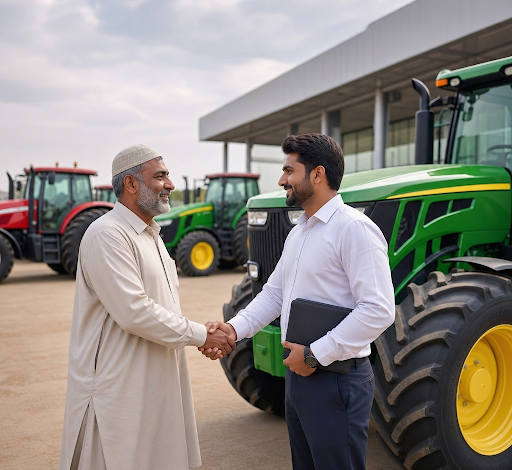
Choosing the right equipment is only half the battle — choosing the right dealership is equally important. A quality agricultural equipment dealer does far more than process a transaction. They provide expert guidance on which machines best suit your operation, offer ongoing service and parts support, and often facilitate financing arrangements that make the purchase feasible. The relationship between a farmer and their equipment dealer is, in many ways, a long-term partnership built on trust and shared understanding of the land.
H&R Agri-Power is a prime example of a dealership that has built its reputation on exactly this kind of deep, service-oriented relationship with the farming community. With a strong presence across multiple states and a comprehensive inventory of leading agricultural brands, H&R Agri-Power has become a go-to resource for farmers seeking not just equipment, but genuine expertise and after-sale support. Their commitment to understanding each customer’s unique operational needs sets them apart in a competitive market.
Service and Parts: The Backbone of Equipment Reliability
Even the most advanced machinery is only as good as the support network behind it. Downtime during planting or harvest season can be catastrophic for a farming operation, making access to fast, reliable service and parts availability a non-negotiable consideration when selecting a dealership. Farmers should evaluate not just the equipment on offer, but the depth of the service department, the availability of trained technicians, and the proximity of parts warehousing before committing to a purchase.
Technology Is Reshaping What Farmers Expect from Equipment
Precision agriculture has moved from a niche concept to a mainstream expectation. GPS-guided planting, variable rate application systems, telematics, and autonomous machinery are no longer the exclusive domain of large corporate farms. Smaller and mid-sized operations are increasingly adopting these technologies as costs come down and the productivity benefits become undeniable. When evaluating new equipment, farmers are now asking not just about horsepower and capacity, but about connectivity, data integration, and compatibility with existing farm management software.
This technological evolution also affects the financing calculus. Equipment with embedded precision technology may carry a higher upfront cost but can deliver measurable returns through reduced input waste, improved yield mapping, and more efficient labour use. Lenders who understand agriculture are increasingly factoring these productivity gains into their financing assessments.
Farmer Perspectives: Learning from Those in the Field
One of the most valuable resources available to farmers making equipment decisions is the lived experience of other operators. Reading farmer blogs that offer a real-world taste of farming life across the UK and beyond can provide practical insights that no brochure or sales pitch can replicate. Hearing how other farmers have navigated equipment choices, financing challenges, and technology adoption offers grounded, honest perspective that is invaluable in the decision-making process.
Building a Long-Term Equipment Strategy
Successful farm operations don’t approach equipment acquisition reactively — they plan ahead. A well-considered equipment strategy accounts for the current state of the machinery fleet, projected replacement timelines, anticipated changes in operation scale, and the financial capacity to absorb new investments without compromising working capital. This kind of forward planning, ideally developed in consultation with both a trusted dealership and a financial adviser familiar with agriculture, can prevent the costly cycle of emergency purchases and reactive financing.
Depreciation schedules, trade-in values, and the timing of purchases relative to tax year-end are all factors that can significantly affect the true cost of equipment over time. Farmers who take a holistic view of their machinery investment — rather than focusing solely on the sticker price — consistently make better decisions and maintain stronger financial positions.
Conclusion: Equipment Decisions Are Farm Decisions
At its core, every equipment decision is a farm decision. The machinery you choose, the way you finance it, and the dealership you partner with all have direct implications for your operation’s efficiency, resilience, and long-term viability. In an era of rising input costs and increasing market volatility, making informed, strategic choices about agricultural equipment has never been more important. By combining sound financial planning, trusted dealership relationships, and a clear-eyed assessment of your operational needs, you can ensure that your equipment works as hard as you do — season after season.